


Introduction to Python Execution in the Modern World
Learning programming today feels less intimidating than ever, especially with Python leading the way as one of the most beginner-friendly languages. At the heart of every programming journey lies a simple but essential skill—understanding how to execute code effectively in different environments.
For beginners, the first question is often how to run code in python, because without execution, even perfectly written code remains just text on a screen. Python makes this process smooth, flexible, and highly accessible, allowing users to run scripts in multiple ways depending on their goals.
Unlike many older programming languages, Python does not require complex compilation steps. Instead, it relies on an interpreter that reads and executes code line by line. This makes it ideal for learning, experimenting, and building real-world applications quickly.
In this guide, we will walk through everything from basic setups to advanced workflows, ensuring you understand not just the “how” but also the “why” behind each method.
Understanding Python Execution in Depth
To truly understand programming, you must first grasp the concept of execution flow. When you write a program, Python translates your instructions into actions using an interpreter.
When beginners search for how to run code in python, they are essentially trying to understand how this interpreter works behind the scenes. Python reads your script from top to bottom, executing each line sequentially unless instructed otherwise through loops, functions, or conditions.
This simplicity is what makes Python powerful. You don’t need to compile your program before running it. Instead, you can instantly see results, which encourages experimentation and faster learning.
Python execution also depends on environment setup, file structure, and tool selection. Each of these factors plays a role in how smoothly your program runs.
Setting Up Python Environment Properly
Before executing any script, your system must be properly configured. Python installation is straightforward, but many beginners overlook small details that later cause errors.
Once Python is installed, the interpreter becomes accessible through the command line or terminal. This is the foundation of execution.
A properly configured environment ensures that libraries, packages, and dependencies function correctly. Without it, even simple scripts may fail to run.
Environment setup also includes choosing whether you want to work locally, in a virtual environment, or through cloud-based platforms. Each option has its advantages depending on your project needs.
Running Python via Terminal or Command Line
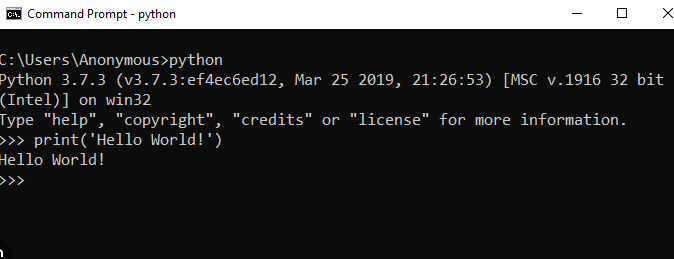
One of the most fundamental ways to execute scripts is through the terminal. This method gives you direct control over your system and is widely used by professionals.
To begin, you simply write your code in a file and save it with a .py extension. Then you open your terminal, navigate to the file location, and execute it using a simple command.
At this stage, many learners first experience how to run code in python in a practical, hands-on environment. The terminal provides immediate feedback, making it an excellent learning tool.
The terminal method also helps users understand file paths, directory structures, and system-level operations, which are essential for advanced programming.
Although it may seem minimal compared to modern tools, mastering terminal execution builds strong foundational skills.
Working with Integrated Development Environments (IDEs)
Modern developers often prefer using IDEs because they provide a complete coding environment. Tools like VS Code, PyCharm, and Spyder make programming more efficient and organized.
When using an IDE, you can write, edit, debug, and execute code in one place. This reduces complexity and improves productivity.
Many beginners also explore how to run code in python using IDEs because they simplify execution with a single button click.
IDEs come with features like syntax highlighting, auto-completion, error detection, and integrated terminals. These tools help developers avoid mistakes and improve code quality.
Unlike the terminal method, IDEs are designed for scalability, making them suitable for large projects and professional development.
Using Jupyter Notebooks for Interactive Execution
Jupyter Notebooks offer a completely different approach to coding. Instead of running entire scripts at once, you execute code in small, independent cells.
This makes it especially useful for data science, machine learning, and research-based projects where experimentation is key.
Jupyter allows you to combine code, text, and visualizations in a single document. This interactive format helps users understand logic step by step.
At this stage, learners often revisit how to run code in python in a more dynamic and visual environment.
The ability to see outputs immediately after each cell execution makes Jupyter one of the most powerful learning tools available today.
Advanced Execution Techniques in Python
Once you are comfortable with basics, you can explore more advanced workflows that go beyond simple script execution.
Advanced execution includes automation, scheduling, cloud deployment, and virtual environments. These techniques are widely used in professional development environments.
For example, automation scripts can handle repetitive tasks like file sorting, data extraction, or report generation without manual intervention.
Virtual environments allow developers to isolate projects, ensuring dependencies do not conflict with each other.
Cloud execution takes Python beyond local machines, enabling scalable applications that run on remote servers.
At this stage, understanding how to run code in python becomes essential for building real-world systems that operate efficiently across platforms.
Common Errors and How to Handle Them
Errors are a natural part of programming. Even experienced developers encounter issues while executing code.
One common problem is syntax errors, which occur when the code structure is incorrect. Another frequent issue is missing modules, where required libraries are not installed.
File path errors also occur when the system cannot locate your script. These issues are usually easy to fix once you understand how the environment works.
Debugging is an essential skill in programming. By carefully reading error messages, you can quickly identify and resolve problems.
Understanding execution flow also helps reduce mistakes, especially when working on larger projects.
Comparison Table of Python Execution Methods
| Method | Ease of Use | Best For | Speed | Flexibility |
|---|---|---|---|---|
| Terminal | Medium | Small scripts | Fast | High |
| IDEs | Easy | Large projects | Fast | Very High |
| Jupyter Notebook | Easy | Data science | Moderate | High |
| Online Compilers | Very Easy | Beginners | Moderate | Low |
| Cloud Platforms | Advanced | Scalable apps | Fast | Very High |
Best Practices for Efficient Python Execution

Writing code is only one part of programming. Executing it efficiently requires good habits and structured workflows.
Always keep your code organized in folders and separate files. This improves readability and reduces confusion in larger projects.
Using virtual environments is another important practice, especially when working on multiple projects simultaneously.
Regular testing ensures that errors are caught early before they become major problems.
Developers who consistently practice good habits find it easier to manage complex systems and scale applications effectively.
Deep Dive into Debugging and Optimization
Debugging is not just about fixing errors; it is about improving understanding. When code does not run as expected, analyzing each step helps identify weak points in logic.
Optimization is another critical aspect of execution. Efficient code runs faster and consumes fewer system resources.
Using tools like debuggers, logging systems, and performance analyzers can significantly improve execution quality.
Over time, developers learn to anticipate issues before they occur, making coding smoother and more predictable.
Frequently Asked Questions (FAQs)
What is the easiest way to execute Python programs?
The easiest way is using an IDE or online compiler where you can write and run code instantly without setup complexity.
Do I need programming experience to start Python?
No, Python is beginner-friendly and designed for people with no prior coding experience.
Why does my code not run sometimes?
Common reasons include syntax errors, missing libraries, or incorrect file paths.
Can Python be used for professional applications?
Yes, it is widely used in web development, automation, artificial intelligence, and data science.
Is Python execution the same on all systems?
Yes, but slight differences may occur depending on operating systems and environments.
What tools are best for beginners?
VS Code, Jupyter Notebook, and online compilers are highly recommended for beginners.
How important is debugging in programming?
Debugging is essential because it helps identify and fix errors, improving overall code quality.
Conclusion: Mastering Python Execution with Confidence
Understanding execution is the foundation of every programming journey. Once you learn how to run code in python, you unlock the ability to experiment, build, and innovate with ease.
From terminal commands to advanced cloud systems, Python offers flexibility that supports beginners and professionals alike. Each execution method serves a unique purpose, helping you grow step by step.
The key to mastery is consistent practice. The more you experiment with different environments, the more confident you become in handling real-world projects.
With patience and hands-on experience, Python execution becomes second nature, allowing you to focus on creativity rather than complexity.